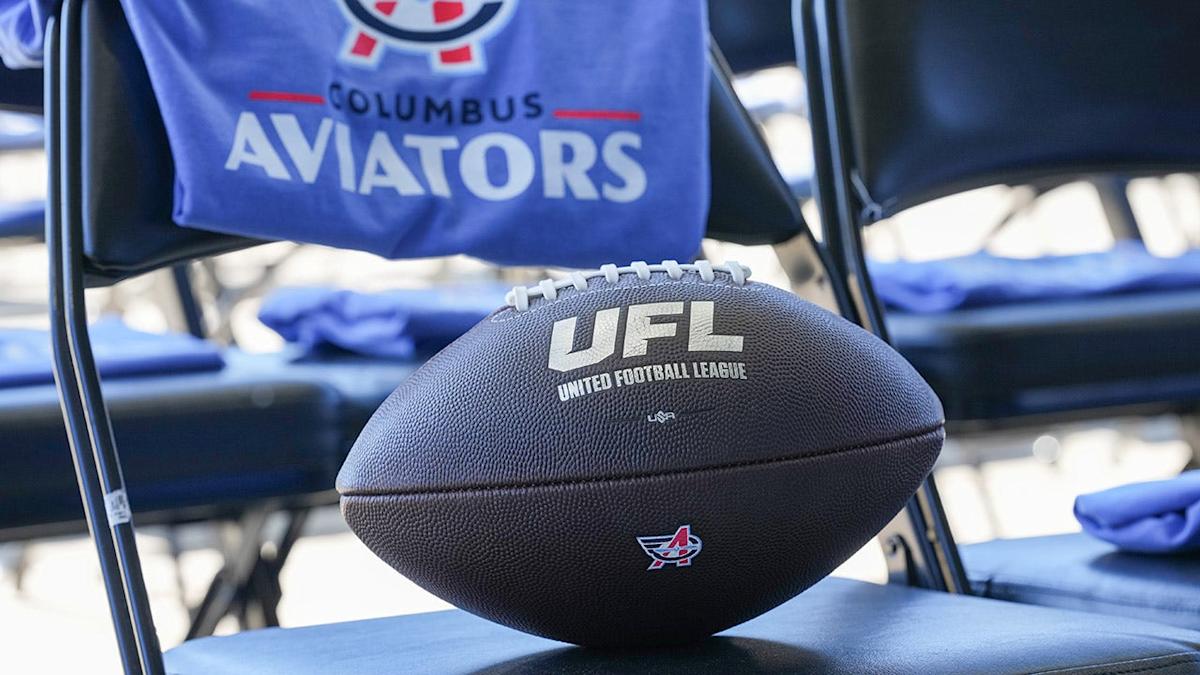
FIFA & UFL Unveil Major Rule Changes Before 2026 Season
The world of football, in both its American and international iterations, is on the cusp of a significant transformation. As the 2026 season approaches, two major governing bodies – the United Football League (UFL) and FIFA – are rolling out a series of bold rule changes designed to inject new levels of excitement, fairness, and strategic depth into the game. From dramatic shifts in American football's offensive and special teams play to a global push against timewasting in soccer, these amendments promise to reshape how athletes compete and how fans experience their beloved sports.
Dean Blandino, the UFL's head of officiating, has been at the forefront of the league's ambitious overhaul, aiming to foster a more dynamic and offense-friendly environment. Simultaneously, FIFA is preparing to implement a crucial change to address one of the most persistent frustrations in international soccer: deliberate game disruption. Together, these rule revisions mark 2026 as a pivotal year for the evolution of both codes.
UFL's Bold Offensive Push: Reshaping American Football Dynamics
The United Football League's upcoming rule changes are arguably the most radical, signaling a clear intent to prioritize offense and continuous action. These modifications are set to challenge traditional coaching philosophies and redefine strategic play-calling.
No Punters Inside the 50-Yard Line: A Strategic Revolution
Perhaps the most talked-about UFL amendment is the ban on punts once an offensive drive crosses midfield. This means if a team advances the ball beyond the 50-yard line, they lose the option to punt, regardless of subsequent sacks or penalties pushing them back. The only exception to this groundbreaking rule is within the final two minutes of each half, where traditional punts are still permitted.
Impact and Analysis: This rule is a direct shot in the arm for offensive football. It forces teams into more aggressive 4th down decisions, turning every drive past midfield into a potential scoring opportunity or a high-stakes turnover. Coaches will need to recalibrate their risk assessment, as going for it on 4th down deep in opponent territory, or even just past the 50, becomes the only viable option if a first down isn't achieved. This will undoubtedly lead to more dramatic late-down conversions, strategic timeouts, and potentially, more turnovers on downs, giving the opposing team excellent field position. It elevates the importance of field goal kickers who can consistently connect from long range, but also emphasizes defensive stops in the red zone even more. It’s a move that actively discourages conservative play and is designed to keep viewers on the edge of their seats.
The Demise of the "Tush Push" and Emphasis on Forward Progress
Another significant change targets a controversial play that has become a staple for some NFL teams: the "Tush Push," or any play where the quarterback over center is aided or pushed forward by a teammate. This maneuver is now explicitly banned in the UFL, carrying a 10-yard penalty.
Piggybacking on this ban is a renewed emphasis on blowing plays dead immediately once a ball carrier's forward progress is stopped. Officials are instructed to disregard any organic surge that might occur after the initial stop, preventing the creation of rugby-style "piles."
Impact and Analysis: The "Tush Push" ban addresses both perceived safety concerns and a desire to make short-yardage situations more skill-based rather than power-based. It will force teams to be more creative with their short-yardage and goal-line play calls, moving away from a seemingly unstoppable tactic. The emphasis on forward progress also aligns with player safety and maintaining game flow, reducing the chaotic and often injury-prone scrum of a pile-up. This encourages more decisive running and tackling, potentially leading to fewer drawn-out struggles for an extra inch, but also demanding more precision from offensive linemen in blocking.
Innovative Scoring & Kickoff Strategies in the UFL
The UFL isn't just tweaking existing rules; it's introducing entirely new elements that could fundamentally alter game strategy and scoring dynamics.
The Elusive 4-Point Field Goal
Adding a thrilling dimension to scoring, the UFL will now award four points for field goals made from 60 yards or further. To ensure fair play, the line of scrimmage must be the 42-yard line or deeper for the bonus point, and teams cannot game the system by placing the hold deeper than 8 yards behind the line of scrimmage. This means the ball must be snapped from the 42 or further back, resulting in a minimum 60-yard attempt.
Impact and Analysis: This audacious rule change is a fan-centric innovation designed to create spectacle. It immediately elevates the importance of long-range kickers and could lead to dramatic swings in momentum, particularly at the end of halves or games. Picture a team down by four points with seconds left, opting for a game-winning 60-yard field goal instead of a desperate Hail Mary pass. While football purists might grumble, this rule promises highlight-reel moments and offers an intriguing strategic option for teams with elite kicking talent. It also puts more pressure on defensive units to prevent teams from getting into 60+ yard field goal range.
Reinventing the Extra Point & Conversion Attempts
The UFL is bringing back the traditional 1-point kick (snapped from the 15-yard line) after touchdowns, but it's not stopping there. Teams will still have the option for a 2-point conversion from the 2-yard line or a 3-point conversion from the 8-yard line. What's truly innovative is the ability for a scoring team to call a timeout to change their mind after selecting a point value, adding a layer of strategic flexibility and potential mind games.
Furthermore, a defensive return of a conversion attempt will now score the number of points that the offense was attempting. This differs from the NFL, where all defensive returns for a score are two points. This means a defensive score could result in 1, 2, or 3 points, providing an opening for unique game states, such as a team potentially only scoring 1 point in a game if they have a defensive return on a 1-point attempt while being shut out offensively.
Impact and Analysis: These changes introduce unprecedented strategic depth to the post-touchdown decision. Coaches will need to weigh score differentials, game time, and team strengths more carefully than ever before. The timeout option adds an element of psychological warfare. The variable defensive return points could lead to incredible swings and strategic gambles, making every conversion attempt a high-stakes play for both sides. Imagine a defensive score worth three points changing the entire complexion of a close game. It forces teams to prepare for every scenario, especially against opponents known for dynamic special teams or aggressive defensive fronts. For more details on these and other UFL changes, read our article: No Punts Inside 50, New Pass Interference: UFL's Bold 2026 Plan.
Kickoff Alignment & Touchback Overhaul
Special teams will see significant rule changes as well. The kickoff alignment has been adjusted, with teams moving 5 yards further apart (kicking team between the 40 and 45, return team between the 35 and 40). This aims to improve spacing and encourage bigger returns, moving away from touchback-heavy kickoffs.
Touchbacks are now "penalized" if the kick lands in the end zone untouched or falls short of the 20-yard landing zone. In these instances, the ball will be placed at the 40-yard line, mirroring a similar dynamic kickoff change the NFL adopted before its 2025 season.
Impact and Analysis: This is a clear effort to revive the excitement of kickoff returns, which have seen a decline due to player safety concerns and an increase in touchbacks. By starting the ball at the 40-yard line for these "penalized" touchbacks, the UFL incentivizes returners to bring the ball out, creating more high-energy plays and potential game-changing moments. It puts pressure on kickers to execute precise kicks and on coverage units to perform, while rewarding dynamic returners with better field position. This could lead to more competitive starting field positions and impact overall game strategy, forcing teams to dedicate more practice time to special teams.
FIFA's Stance Against Timewasting: A Global Shift
While the UFL focuses on high-octane offensive action, FIFA is addressing a long-standing issue in international soccer: deliberate timewasting and game disruption. The proposed rule change, expected to be approved ahead of the 2026 World Cup, targets feigned injuries.
The 1-Minute Injury Treatment Rule
Under the new FIFA proposal, players who receive treatment for an injury on the pitch and subsequently leave the field must remain out of action for a full minute before being allowed to re-enter the game. This significantly extends current protocols, such as the Premier League's 30-second absence requirement.
Impact and Analysis: The intention here is unambiguous: to deter players from feigning or exaggerating injuries to waste time, break an opponent's momentum, or gain a strategic advantage. While players are already required to leave the pitch for medical treatment, the longer mandatory absence aims to make such tactics genuinely detrimental to the player's own team. If a key player has to sit out for a full minute, it creates a temporary numerical disadvantage, potentially shifting the game's flow significantly. This rule will test the integrity of players and pressure medical staff to make quick, accurate assessments. While some might argue it could unfairly punish teams with genuinely injured players, the core idea is to foster fair play and ensure continuous action, reducing frustrating stoppages that detract from the game's appeal. Coaches will need to ensure their players understand the implications and avoid any perceived theatrics.
The Broader Impact of Football's Evolving Rulebook
The extensive rule changes introduced by both the UFL and FIFA before the 2026 season highlight a broader trend in sports: a continuous effort to evolve, adapt, and enhance the fan experience while maintaining the core integrity of the game. For the UFL, the motivation is clear – to create a unique, fast-paced, and high-scoring version of American football that distinguishes itself and attracts viewers. For FIFA, the focus is on maintaining fair play and reducing negative aspects that can frustrate fans globally. Both sets of rule modifications reflect a responsiveness to contemporary tactics and viewer preferences.
These adjustments will demand significant adaptation from players, coaches, and officials alike. Teams will need to overhaul playbooks, rethink training strategies, and perhaps even prioritize different player archetypes. Officials face the challenge of consistently interpreting and applying new guidelines, especially in high-pressure situations. Ultimately, the 2026 season promises to be a fascinating experiment, demonstrating how strategic rule changes can breathe new life and excitement into established sports.
The 2026 season is poised to be a landmark year for football worldwide. From the UFL's groundbreaking offensive enhancements like the 4-point field goal and the abolition of certain punting strategies, to FIFA's concerted effort to combat timewasting, these comprehensive rule changes signal an exciting new era. They underscore a commitment to dynamic play, strategic innovation, and a more engaging experience for fans globally. As these modifications take effect, the world will watch to see how they reshape tactics, elevate player performance, and ultimately define the future trajectory of the beautiful game and its American cousin.